The Connection Between Skincare and Mental Well-being: Your Skin as a Mirror to Your Inner Health
Celeste Gray ; 2025-12-12 03:16:18
Recently, the interplay between mental health and physical health has gained more attention. Yet, one crucial aspect that is often overlooked is the profound link between our psychological state and the condition of our skin. As a beauty expert and skincare enthusiast, I've come to understand that our skin is not merely a protective barrier—it also reflects our emotional state, stress levels, and overall mental well-being. In this article, I explore the fascinating relationship between skincare and mental health and discuss how acknowledging this connection can lead to healthier and more radiant skin.
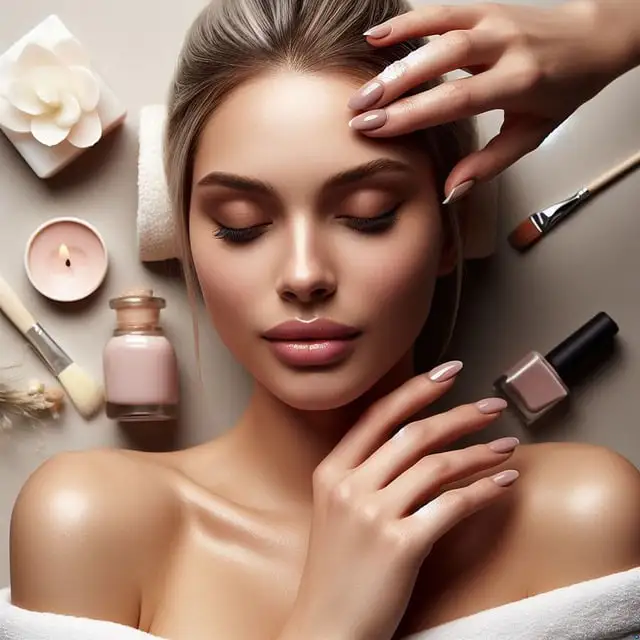
The Skin-Mind Connection: How Emotions and Stress Affect Skin
The skin and brain are deeply connected, originating from the same embryonic tissue. This connection, known as the "skin-mind axis," suggests that psychological stress and emotions can have tangible effects on the skin. Here's how:
- Stress and Pimples: Stress prompts the release of cortisol, which can increase sebum production. Excessive sebum can lead to blocked pores and acne breakouts, commonly seen during high-stress periods such as exams or intense work projects.
- Anxiety and Skin Irritation: Anxiety can compromise the skin's barrier function, making it more susceptible to irritation and redness. Stress can exacerbate conditions like eczema and rosacea, creating a cycle of discomfort and heightened self-consciousness.
- Depression and Skin Condition: Depression can lead to neglect of self-care routines, including skincare. Coupled with poor sleep and nutrition, this can result in dull complexions. Furthermore, depression can slow down the skin's natural healing processes, impeding recovery from damage.
- Emotional Trauma and Skin Disorders: Studies show that emotional trauma, such as grief or abuse, can trigger or worsen chronic skin conditions like psoriasis and vitiligo. The mind-body connection is so strong that addressing emotional distress is often essential in managing these conditions.
Recognizing the skin-mind connection is vital to breaking this cycle. By managing stress and prioritizing mental health, we create a foundation for healthier skin.
Mindful Skincare: Turning Your Routine into a Self-Care Practice
Skincare is not just about achieving flawless skin—it can also be a self-care practice that supports your mental health. Here's how to make your skincare routine a mindful and therapeutic experience:
- Pause and Breathe: Instead of rushing through your routine, take a moment to breathe deeply before starting. Focus on the texture of the products, the scent of your cleanser, or the warmth of your hands as you apply your moisturizer. This mindfulness can help reduce stress and bring you into the present moment.
- Incorporate Aromatherapy: Essential oils like lavender, chamomile, and rose have calming properties. Adding these to your skincare routine or using a facial mist can create a soothing, spa-like environment that calms both skin and mind.
- Practice Gratitude: As you apply products, take a moment to appreciate your skin for its functions—protection, temperature regulation, and sensation. Cultivating gratitude can shift your perspective from criticism to acceptance.
- Establish a Routine: Turn your skincare into a daily ritual that marks the beginning or end of your day. Light a candle, play soft music, or use a gua sha tool for facial massage. These small, intentional acts can make your routine feel special and nourishing.
The Value of Professional Support: When to Seek Therapy for Skin Concerns
While a mindful skincare routine can benefit mental health, there are times when professional help is necessary. If chronic skin conditions are affecting your self-esteem or mental health, seeking support is essential. Here's how therapy can assist:
- Cognitive Behavioral Therapy (CBT): CBT helps identify and change negative thought patterns. For those with conditions like acne or psoriasis, CBT can reduce feelings of shame and improve self-esteem.
- Mindfulness-Based Stress Reduction (MBSR): MBSR combines meditation and yoga to manage stress and anxiety. It can be particularly helpful for those with stress-triggered skin conditions.
- Support Networks: Connecting with others who have similar skin conditions